
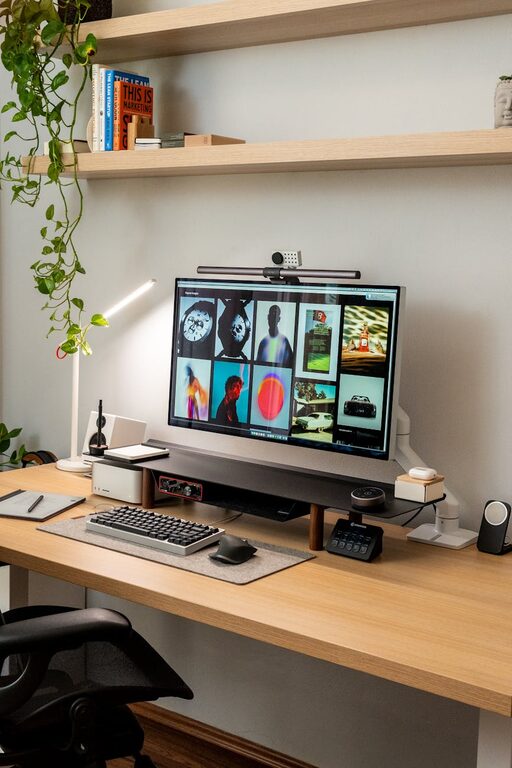
Creating a relaxing home workspace is essential for anyone who wants to work efficiently and comfortably from home. When your workspace feels calm and inviting, you’re more likely to stay productive and enjoy your workday. Whether you’re working full-time from home or just need a dedicated spot to get things done, these tips will help you design a space that supports focus and well-being.
Why a Relaxing Workspace Matters
A cluttered or chaotic workspace can increase stress and make it hard to concentrate. By contrast, a relaxed environment can help lower anxiety, improve creativity, and boost motivation. It’s not just about aesthetics—your workspace should be functional, organized, and tailored to your personal needs.
Choose the Right Location
The first step is picking the best spot in your home for work. Ideally, choose a quiet area with minimal distractions. If possible, select a room with natural light because sunlight improves mood and energy. Avoid places with heavy foot traffic, loud noises, or strong smells that can break your focus.
Consider these location tips:
– Near a window for fresh air and sunlight
– Separate from relaxation areas like the living room or bedroom
– Enough space to set up your desk, chair, and equipment comfortably
Invest in Comfortable Furniture
Comfort is key for a productivity-friendly workspace. Investing in a good chair with proper support will protect your posture during long work hours. A sturdy desk at the correct height helps maintain comfort and efficiency. Avoid working from the couch or bed, as these spots can encourage poor posture and fatigue.
Furniture tips:
– Choose an adjustable chair with lumbar support
– Select a desk with enough surface space for your computer and supplies
– Consider ergonomic accessories like keyboard trays or monitor stands
Keep It Organized and Clutter-Free
Messy workspaces can distract and stress you. Keep your desk tidy by regularly decluttering and organizing supplies. Use storage solutions like drawer organizers, shelves, and file folders to keep everything in its place.
Organization tips:
– Use labeled containers or boxes for small items
– Implement a daily clean-up routine to clear paperwork and gadgets
– Limit decorations to a few calming or inspiring pieces to reduce visual noise
Personalize Your Space
Adding personal touches can make your workspace more inviting and motivate you to spend time there. Choose colors, artwork, or objects that soothe and inspire you.
Ideas for personalization:
– Plants to add greenery and improve air quality
– Soft lighting like warm desk lamps or string lights
– Inspirational quotes or calming images framed on the wall
Minimize Digital Distractions
In a home environment, distractions can easily creep in through devices and notifications. To maintain focus, organize your digital workspace and manage alerts.
Tips for reducing distractions:
– Turn off non-essential notifications while working
– Use apps that block distracting websites during work periods
– Keep your desktop and files neatly organized for easy access
Pay Attention to Lighting
Proper lighting reduces eye strain and helps maintain alertness. Natural light is best, but if that’s not sufficient, use a combination of overhead and task lighting.
Lighting tips:
– Position your desk near a window when possible
– Use adjustable desk lamps to illuminate your work area evenly
– Avoid harsh fluorescent lights that can cause fatigue
Create a Relaxation Corner
Taking short breaks is important to recharge your mind. Set up a small, cozy area nearby where you can step away for a moment.
Relaxation corner essentials:
– Comfortable chair or cushion
– Books, calming music, or a small plant
– A water bottle or tea station to stay hydrated
Maintain a Routine
A predictable routine helps train your brain to switch into work mode. Decide on consistent start and stop times, and create rituals like a morning stretch or coffee before you begin.
Routine-building tips:
– Use a planner or calendar to structure your day
– Take regular breaks every hour to stretch or walk briefly
– End your workday with a clean-up or a closing ritual to signal the transition
Final Thoughts
Designing a relaxing home workspace is a personal process that balances comfort, organization, and style. With these tips, you can create an environment that helps you stay focused and stress-free throughout your workday. Experiment with different setups until you find what works best for you, and don’t forget to prioritize your well-being along the way.
Remember, a calm and organized workspace isn’t just about looks—it directly supports your productivity and happiness as you work from home.