
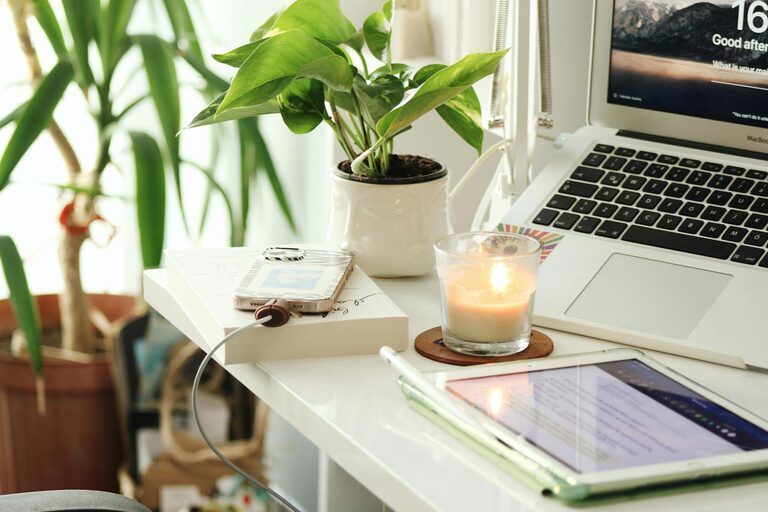
Creating a home office that is both relaxing and productive can significantly improve your work-from-home experience. A well-designed workspace helps reduce stress, increase focus, and boost overall efficiency. Whether you have a dedicated room or a small corner, these tips will guide you in setting up an office that feels inviting and works for you.
Choose the Right Location
Selecting the best spot for your home office is the first step. Ideally, find a quiet area with minimal distractions. If possible, choose a space with natural light, which can improve mood and reduce eye strain.
– Avoid high-traffic areas to minimize noise interruptions.
– Consider a room with a door to create a physical boundary between work and personal life.
– If space is limited, use room dividers or curtains to separate your office space.
Invest in Ergonomic Furniture
Comfort is key for long work hours. Ergonomic furniture supports good posture and prevents discomfort.
– Choose a chair with adjustable height, lumbar support, and comfortable cushioning.
– Select a desk that fits your needs, allowing enough space for your computer, paperwork, and other tools.
– Consider a sit-stand desk to alternate between sitting and standing throughout the day.
Optimize Lighting
Proper lighting reduces eye strain and improves energy levels.
– Maximize natural light by positioning your desk near a window.
– Use layered lighting: combine overhead lights with task lighting like desk lamps.
– Choose bulbs with a color temperature that matches daylight (around 5000K) to help maintain alertness.
Keep Your Workspace Organized
A clutter-free environment promotes concentration and reduces stress.
– Use shelves, drawers, and organizers to store supplies neatly.
– Keep only essential items on your desk to avoid distractions.
– Use cable management solutions to keep cords tidy and out of the way.
Personalize Your Space
Personal touches can make your home office feel more inviting and motivate you.
– Add plants to improve air quality and create a calming atmosphere.
– Display artwork or photos that inspire you.
– Choose colors and decor that suit your style but avoid overly busy designs.
Minimize Noise Distractions
Noise can disrupt your focus and increase stress.
– Use noise-canceling headphones or play soft background music or white noise.
– Add rugs, curtains, and cushions to help absorb sound.
– Inform family members or housemates of your working hours to minimize interruptions.
Establish Clear Boundaries
Separating work from personal life helps maintain balance.
– Set specific work hours and stick to them.
– Take regular breaks to rest and reset.
– Close your office door when work is done to signal the end of the day.
Incorporate Break Areas
Taking breaks is crucial for productivity and mental well-being.
– Create a small area nearby for stretching or relaxing.
– Use this space to step away from your desk and recharge.
Use Technology Wisely
Technology can enhance your workflow if used thoughtfully.
– Invest in reliable internet and essential devices like printers or scanners.
– Organize digital files and use productivity apps to manage tasks.
– Avoid unnecessary notifications during focused work periods.
Maintain Good Air Quality and Temperature
Comfortable air and temperature improve concentration and health.
– Keep windows open when possible to allow fresh air circulation.
– Use fans or humidifiers to maintain a comfortable environment.
– Adjust thermostat settings to suit your preferences.
Keep Your Workspace Clean
Regular cleaning helps maintain a pleasant environment.
– Wipe surfaces and equipment frequently.
– Remove trash daily.
– Clean your computer and keyboard to reduce germs.
—
By following these tips, you can create a home office that supports both relaxation and productivity. Remember, your workspace should be tailored to your needs and preferences to ensure the best results. A thoughtfully designed office not only improves work performance but also enhances your overall well-being when working from home.